
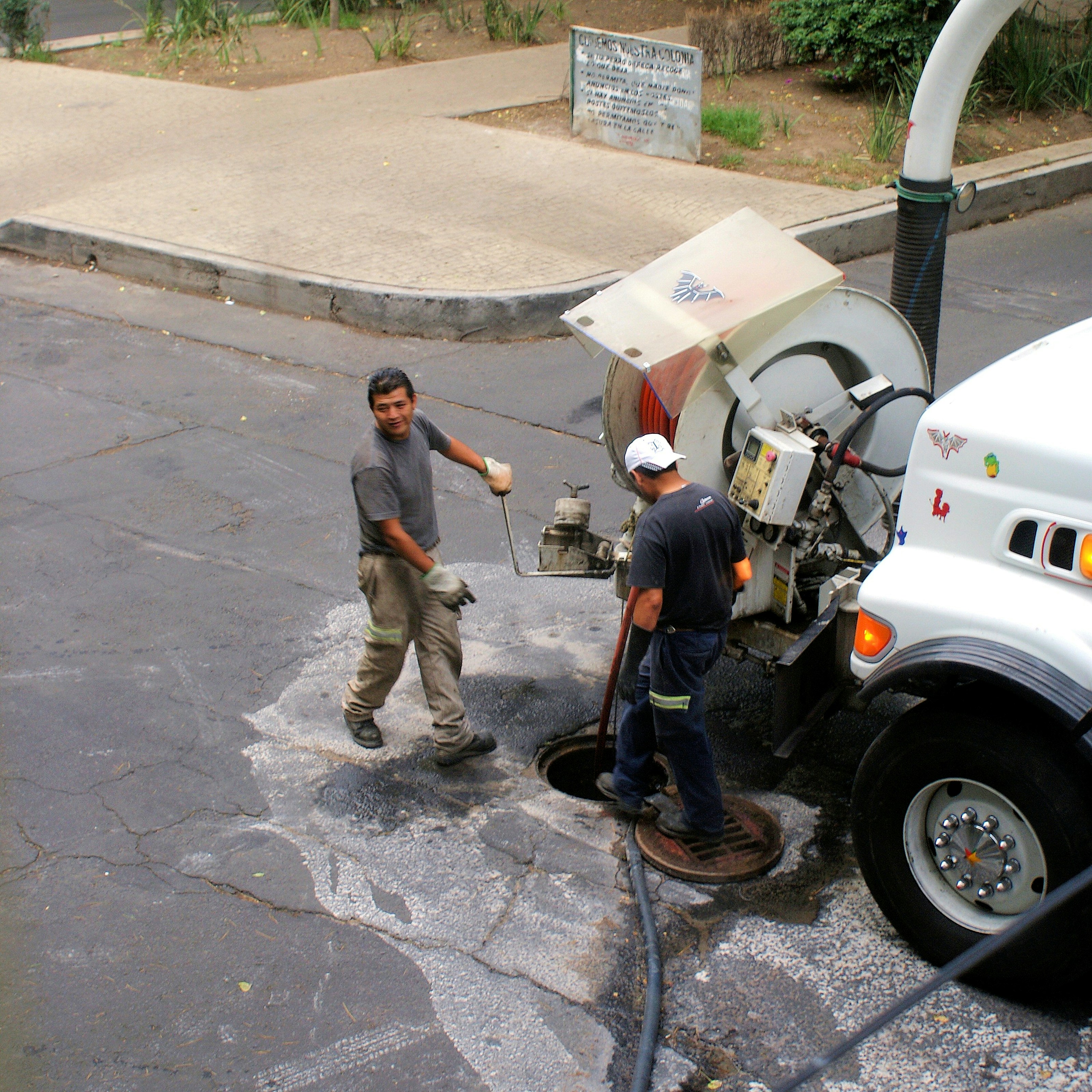
Introduction to STP and ETP Importance in Developing Areas
Sewage treatment plants (STPs) and effluent treatment plants (ETPs) play a crucial role in managing wastewater, particularly in developing regions like Dharuhera. With rapid industrialization and urban expansion, such areas are facing significant challenges in waste management. The increasing volumes of wastewater generated from residential, commercial, and industrial activities necessitate efficient systems to treat this waste before it adversely impacts public health and the environment.
The importance of STPs and ETPs cannot be overstated. They serve as the backbone of effective waste management systems, ensuring that harmful pollutants are adequately treated before being discharged into water bodies. This process not only protects local ecosystems but also reduces the risk of waterborne diseases that can arise from contaminated water sources. In developing areas, where infrastructural investments often lag behind population growth, the establishment of these treatment facilities is essential for safeguarding environmental sustainability and public health.
Moreover, STPs and ETPs contribute significantly to resource recovery. By treating wastewater, these facilities can reclaim water for various non-potable uses, such as irrigation and industrial processes, thereby supporting a circular economy. This is particularly vital in regions like Dharuhera, where water scarcity is becoming an increasingly pressing issue. Efficiently managing wastewater not only addresses immediate environmental concerns but also aligns with broader sustainability goals, promoting a cleaner and healthier community.
In light of these factors, it is imperative for stakeholders in developing areas to prioritize the establishment and maintenance of STP and ETP operations. By investing in advanced treatment technologies and sustainable practices, regions like Dharuhera can pave the way for a sustainable future, ensuring that growth and development do not come at the expense of environmental integrity or public wellness.
STP Plant Operation Services in Dharuhera
The operation of sewage treatment plants (STPs) is critical for maintaining hygiene and protecting the environment in Dharuhera. The STP plant operation services encompass a range of activities designed to ensure the effective treatment of wastewater, optimally reduce pollutants, and ensure compliance with environmental regulations.
One of the core components of STP operations is the handling of incoming sewage. This involves preliminary screening processes that remove large solids and debris to protect downstream equipment. Furthermore, an efficient flow management system is essential to balance the influent flow rates, preventing overloading of the treatment system.
Automated controls are a significant aspect of modern STP operations, enabling real-time management of various processes. These automated systems facilitate the control of pumps, valves, and chemical dosing units, ensuring that treatment processes such as aeration, sedimentation, and filtration are conducted at optimal efficiency. Our team leverages advanced technologies, including SCADA (Supervisory Control and Data Acquisition) to monitor system performance continuously.
Real-time data monitoring in STP operations also plays an essential role in maintaining ideal treatment conditions. Sensors deployed throughout the plant provide data on critical parameters such as flow rates, pH levels, and dissolved oxygen content. These metrics help operators make informed decisions and adjustments to maintain treatment efficacy. Additionally, regular maintenance schedules for equipment and infrastructure are meticulously adhered to, further ensuring consistent operation.
To summarize, the operational services provided for STPs in Dharuhera emphasize system efficiency, adherence to regulatory standards, and the sustainable management of wastewater. By integrating automated controls, real-time monitoring, and robust operational protocols, STP operations contribute significantly to the sustainability of local water resources and overall community health.
Preventive STP Maintenance Services
Preventive maintenance for Sewage Treatment Plants (STPs) plays a crucial role in ensuring the effective operation and longevity of these facilities. By implementing a structured maintenance schedule, operators can proactively identify potential issues before they escalate into significant problems that could disrupt service or incur costly repairs. Regular servicing allows for the early detection of wear and tear on equipment, which can lead to increases in operational efficiency and reliability.
A proactive approach includes comprehensive inspection routines where various components of the STP are routinely examined. These inspections utilize checklists that cover critical aspects such as pumps, aeration systems, and filtration units, ensuring that all parts are functioning as intended. Additionally, cleaning protocols are a vital component of maintenance; they not only enhance efficiency but also improve the quality of treated effluent by preventing the build-up of sludge and debris that can hinder performance.
Another significant aspect of preventive STP maintenance is contingency planning. By anticipating potential failure points, operators can develop actionable strategies that outline specific responses to various scenarios. This planning minimizes downtime and ensures a prompt reaction to unexpected events that may compromise the treatment process. Furthermore, regular maintenance aids in fine-tuning system operations, ultimately leading to optimized performance metrics, such as reduced energy consumption and enhanced treatment capacity.
Incorporating preventative maintenance as part of the overall operational strategy for STPs not only preserves the integrity of wastewater treatment processes but also secures a sustainable infrastructure that is essential for public health and environmental protection. By investing in preventive measures, facility operators can extend the lifespan of their treatment plants and deliver high-quality effluent consistently.
AMC Services for STP
An Annual Maintenance Contract (AMC) for Sewage Treatment Plants (STPs) is essential to ensure their long-term operational efficiency and compliance with environmental regulations. AMC services encompass a wide range of maintenance activities designed to keep STPs running smoothly and effectively. These services include regular maintenance checks, emergency repairs, and comprehensive performance assessments to mitigate potential issues before they escalate.
Regular maintenance checks are at the core of AMC services, as they help identify wear and tear on equipment, ensuring that all components of the STP are functioning optimally. During these checks, technicians conduct inspections of mechanical, electrical, and electronic systems, monitoring key performance indicators to assess the overall health of the plant. This proactive management allows for timely interventions, reducing the likelihood of major breakdowns that can lead to costly repairs and service disruptions.
Emergency repairs are a critical component of AMC services. In the event of unexpected malfunctions or breakdowns, having a structured contract in place ensures that technicians can respond promptly, minimizing downtime and maintaining compliance with regulatory requirements. Such swift action not only saves costs associated with emergency situations but also protects the surrounding environment from potential harm due to untreated wastewater.
Finally, performance assessments provide valuable insights into the efficiency and effectiveness of the STP. By continually evaluating key metrics and operational data, operators can make informed decisions regarding upgrades or modifications necessary for improved performance. Ultimately, the proactive management achieved through AMC services promotes a more sustainable approach to wastewater treatment, while also yielding significant cost savings and enhancing the reliability of services provided by STPs.
Understanding ETP Operations in Dharuhera
Effluent Treatment Plants (ETPs) play a vital role in managing industrial wastewater, particularly in regions such as Dharuhera. These facilities are designed to treat industrial effluents before they are discharged into the environment, thereby mitigating potential harm to ecosystems and public health. The operations of ETPs encompass several key processes, each tailored to effectively reduce various types of pollutants commonly found in wastewater.
The treatment process generally begins with a preliminary stage, which involves screening and sedimentation. Here, larger solids and sediments are removed from the effluent, making subsequent treatment stages more efficient. Following this, primary treatment typically includes flotation or gravity separation techniques that help in further reducing the suspended solids present in the wastewater.
Once the primary treatment is complete, secondary treatment takes place, often utilizing biological processes. In this stage, microorganisms are employed to metabolize organic matter, converting it into less harmful substances. Aerobic and anaerobic digestion are commonly used methods during secondary treatment, depending on the specific requirements of the effluent being treated. These biological processes are critical for achieving a substantial reduction in biochemical oxygen demand (BOD) and chemical oxygen demand (COD), thereby ensuring that the treated effluent meets environmental standards.
The final stage of treatment often involves tertiary processes, which can include advanced filtration and disinfection. Technologies such as membrane filtration, activated carbon adsorption, and ultraviolet (UV) disinfection are employed to further purify the effluent. This multi-barrier approach is essential for removing trace contaminants that may have evaded previous treatment stages.
In conclusion, the operations of ETPs in Dharuhera are integral to ensuring that industrial facilities comply with stringent environmental regulations. By effectively treating effluents, these plants reduce the release of pollutants back into the ecosystem, promoting a healthier environment and supporting sustainable industrial practices.
Environmental Compliance and Regulation Adherence
In the realm of wastewater management, the operations of Sewage Treatment Plants (STP) and Effluent Treatment Plants (ETP) are under stringent legal frameworks that mandate adherence to environmental regulations. In Dharuhera, compliance with local and national standards is not merely a requirement but a cornerstone for sustainable operations. The Central Pollution Control Board (CPCB) and state regulatory bodies enforce these standards to ensure that the effluents discharged do not harm public health or the environment.
The legal mandates for STP and ETP facilities focus on acceptable limits for various pollutants, monitoring procedures, and reporting requirements. Failing to adhere to these regulations can result in significant consequences, including hefty fines, operational shutdowns, and legal actions. Moreover, non-compliance can severely damage a facility’s reputation and erode public trust, hindering future operations and developments.
To navigate these complexities, operational and maintenance services for STPs and ETPs play a crucial role. These services encompass regular monitoring and maintenance of treatment processes to ensure compliance with the specified limits on effluent quality. They incorporate advanced technologies and methodologies tailored for continuous compliance, enabling facilities to adjust their operations proactively in response to changing regulatory requirements. Furthermore, these services provide staff training on environmental regulations, ensuring everyone involved understands their role in maintaining compliance.
Ultimately, adhering to the environmental regulations governing STP and ETP operations is essential for sustainable practices in Dharuhera. By aligning operational strategies with these legal frameworks, facilities exemplify their commitment to environmental stewardship while safeguarding community health and ecological integrity.
Challenges in STP and ETP Management
The management of Sewage Treatment Plants (STP) and Effluent Treatment Plants (ETP) in developing regions such as Dharuhera faces a multitude of challenges. These obstacles can hinder the effective operation and maintenance of these essential facilities, which are crucial for environmental sustainability and public health. Among the primary challenges are resource limitations, technology gaps, and manpower shortages, which can have a significant impact on the efficacy of STP and ETP services.
Resource limitations often manifest in inadequate funding and investment in infrastructure. Many municipalities and local authorities struggle to allocate sufficient budgetary provisions for the operation and maintenance of STP and ETP systems. This can result in suboptimal functioning of treatment facilities, leading to pollution and health hazards. Therefore, fostering partnerships with private entities and implementing public-private models may provide a viable solution by pooling resources and expertise.
Another notable challenge is the technology gap, where aging infrastructure fails to keep pace with advancements in treatment technologies. Local authorities may lack access to up-to-date treatment methods, which can compromise the effectiveness of wastewater treatment processes. To address this issue, investing in modern technologies and conducting regular training for personnel can enhance performance and adaptability to changing environmental standards.
Manpower shortages are also prevalent, impacting the management of STP and ETP systems. Insufficient skilled labor can lead to operational inefficiencies and increased risks of malfunctions. Therefore, developing a robust training and capacity-building program aimed at equipping local staff with necessary skills is imperative. Engaging local communities in awareness programs can also help create a skilled workforce capable of managing these facilities effectively.
Case Studies of Successful STP and ETP Implementations
In Dharuhera, the implementation of Sewage Treatment Plants (STP) and Effluent Treatment Plants (ETP) has shown significant improvements in environmental management. One notable case is the establishment of the STP in the industrial zone, aimed at treating wastewater generated by nearby manufacturing facilities. This project incorporated advanced biological treatment processes and meticulous monitoring systems to ensure compliance with environmental norms.
Prior to the installation of the STP, the industrial effluents were often discharged untreated, leading to severe water pollution in the adjacent rivers. By adopting a systematic approach which included community engagement and extensive training for operators, the STP not only treated approximately 300,000 liters of wastewater per day but also reduced hazardous discharge levels by nearly 85%. This successful case highlighted the importance of stakeholder involvement in achieving sustainable solutions.
Another exemplary project was the ETP implemented by a leading textile company situated in the heart of Dharuhera. The textile industry is notorious for generating specific effluents rich in dyes and chemicals. The ETP utilized a combination of physical, chemical, and biological treatment methods, effectively reducing the effluent’s toxicity. The facility employed cutting-edge technologies that allowed for the recovery of water for reuse within the manufacturing process, which significantly minimized freshwater demand.
Feedback from the local community has been overwhelmingly positive, with residents noting an improvement in local water quality and a reduction in health issues associated with water contamination. The successful STP and ETP implementations in Dharuhera serve as models for other regions facing similar challenges, illustrating that with the right strategies and commitment, sustainable solutions are indeed attainable. The case studies reflect a broader commitment to improving local environments, aiding in the development of a sustainable framework for wastewater management.
The Future of Wastewater Treatment in Dharuhera
As Dharuhera continues to evolve rapidly, investing in effective sewage treatment plant (STP) and effluent treatment plant (ETP) operations and maintenance services becomes increasingly crucial. These services not only ensure compliance with environmental regulations but also enhance the community’s quality of life by safeguarding local water resources. The importance of sustainable wastewater management cannot be overstated, as it plays a key role in promoting both environmental health and public welfare.
Future trends in wastewater treatment technology indicate a strong shift towards more efficient and eco-friendly processing methods. Innovations such as advanced membrane technologies, energy recovery systems, and the integration of artificial intelligence for real-time monitoring are poised to revolutionize how wastewater is treated. By adopting these technologies, Dharuhera can reduce operational costs while maximizing treatment efficacy, ensuring that STP and ETP facilities remain at the forefront of sustainability practices.
Moreover, community engagement is essential in fostering a culture of sustainability. Mobilizing local residents to participate in waste management initiatives not only empowers them but also reinforces the importance of responsible waste disposal habits. Educational programs, workshops, and community clean-up events can further stimulate public interest and participation in maintaining a cleaner environment. By involving the community, Dharuhera can strengthen its commitment to sustainable practices and environmental stewardship.
Ultimately, with a proactive approach to STP and ETP operations and maintenance, Dharuhera has the potential to become a leader in environmental management. These investments will not only contribute to a robust waste management framework but also pave the way for a future where sustainability is interwoven into the fabric of everyday life. Through effective collaboration between authorities, communities, and technology, the path towards a cleaner and greener Dharuhera is within reach.