
Introduction: Industrial Wastewater Challenges in Bhiwadi
Bhiwadi, a rapidly industrializing town in Rajasthan, has witnessed considerable growth in its manufacturing sector over the years. However, this expansion has led to significant challenges in managing industrial wastewater, a byproduct of various industrial processes. Industries in Bhiwadi are faced with the pressing need to adhere to stringent environmental regulations while ensuring effective treatment of wastewater to prevent pollution and safeguard public health.
One of the primary challenges in this regard is the inadequate infrastructure for wastewater treatment facilities. Many industries struggle to maintain compliance with legal standards due to outdated systems or insufficient resources allocated for wastewater management. Without proper implementation of treatment protocols, untreated industrial effluents can contaminate local water bodies, impacting flora and fauna as well as human populations dependent on these resources.
Moreover, the complexity of wastewater generated from various industrial activities introduces additional difficulties. Each sector—be it textiles, chemicals, or food processing—produces unique wastewater characteristics that require tailored treatment solutions. Conventional treatment methods may not effectively remove specific contaminants, necessitating a combination of physical, chemical, and biological processes to ensure complete treatment. The lack of skilled personnel can further compound these difficulties, as effective wastewater management demands both knowledge and expertise.
Proper operation and maintenance of sewage treatment plants (STPs) and effluent treatment plants (ETPs) is of utmost importance. These facilities must be regularly serviced and upgraded to cope with the evolving challenges of wastewater disposal. Therefore, it is essential for industries in Bhiwadi to invest in efficient technologies and seek professional cleaning services for septic tanks and treatment plants to mitigate the risks associated with poor wastewater management. The necessity for sustainable industrial practices has never been more crucial as Bhiwadi continues to grow as an industrial hub.
Industrial STP Cleaning in Bhiwadi
Sewage Treatment Plants (STPs) play a critical role in managing industrial wastewater. The cleaning and maintenance of these facilities are essential for ensuring operational efficiency and compliance with environmental regulations. In Bhiwadi, specialized STP cleaning services focus on the systematic removal of sludge and the management of waste byproducts to maintain the integrity and functionality of the system.
The process often begins with a thorough inspection of the STP to assess the current state of the system. This inspection includes evaluating the levels of accumulated sludge, the condition of the equipment, and any potential blockages within the piping systems. Once the assessment is completed, the cleaning process can commence, which typically involves using advanced equipment and techniques.
High-pressure water jets and vacuum trucks are commonly employed to effectively remove sludge from the treatment tanks. This method not only cleans the tank’s interior surfaces but also prevents potential damage to the equipment by ensuring that no debris is left behind. Furthermore, the use of bio-augmentation products can enhance the decomposition of organic materials, thereby facilitating a more efficient treatment process. Regular maintenance and cleaning of STPs result in improved operational performance and extended life spans of the equipment.
Incorporating STP cleaning services in Bhiwadi into a routine maintenance program ensures that plants function optimally, reducing the risk of environmental hazards. This proactive approach can lead to decreased operational costs and a lesser likelihood of system failures. By prioritizing regular STP cleaning, industries can comply with local regulations and demonstrate a commitment to environmental stewardship.
ETP Plant Cleaning Services
Effluent Treatment Plants (ETPs) play a crucial role in managing industrial wastewater by treating contaminated water before it is discharged into the environment. To ensure these facilities operate at peak efficiency, regular cleaning services are essential. This section highlights the various cleaning processes involved in the maintenance of ETP systems, focusing particularly on oil trap cleaning, clarifier cleaning, and filter cleaning.
One of the most significant aspects of ETP cleaning services is oil trap cleaning. Oil traps collect and contain oils and greases from wastewater processes, preventing them from entering the treatment stream. Over time, these traps can become clogged with accumulated solids, leading to reduced efficiency and potential failures in downstream processes. Regular oil trap cleaning not only ensures compliance with environmental regulations but also prolongs the lifespan of the ETP.
Clarifiers are another critical component of ETP operations. These tanks allow solid particles to settle out of wastewater through gravitational forces. However, sediment buildup can hinder performance, necessitating prompt clarifier cleaning. This task typically involves the removal of settled solids and thorough cleaning of the tank surfaces to enhance operational efficiency and maintain water quality.
Lastly, filter cleaning is integral to the overall health of an effluent treatment system. Filters are designed to remove particulates from wastewater, ensuring clean effluent is produced for either reuse or safe discharge. Over time, filters can become obstructed, which may reduce flow rates and impair treatment efficacy. Thus, routine filter cleaning is essential to restore flow rates and maintain the optimal functioning of the ETP.
The importance of these cleaning services cannot be overstated. They not only optimize the functioning of ETPs but are also vital in safeguarding environmental health by preventing untreated effluents from contaminating natural resources. Engaging professional ETP cleaning services is a proactive approach for industries aiming to uphold compliance and operational effectiveness.
Septic Tank Cleaning Solutions
In Bhiwadi, effective septic tank cleaning is vital for both industrial and residential sectors to ensure proper waste management and environmental protection. The efficiency of septic tanks often relies on routine maintenance and cleaning, which is essential to prevent blockages, system failure, and unsanitary conditions. Regardless of the setting, regular septic tank cleaning should be conducted to promote optimal functioning and longevity of the system.
For residential areas, cleaning septic tanks is frequently overlooked, leading to significant issues such as unpleasant odors or sewage backflows. Homeowners must recognize the importance of scheduling regular inspections and cleaning services, usually every one to three years. This preventive approach helps maintain the functionality of the system while safeguarding the surrounding environment.
In contrast, industrial facilities, including factories, often have more complex wastewater management systems due to the larger volumes of waste generated and the varying types of waste produced. Hence, septic tank maintenance in these settings demands specialized techniques and equipment. The cleaning solutions provided for industrial septic tanks focus on the rigorous standards set by environmental regulations and the need for efficient waste removal. Furthermore, frequent assessments help identify any underlying issues that may compromise the integrity of the septic system.
In Bhiwadi, both sectors benefit from dedicated septic tank cleaning services, which may include pumping, effluent analysis, and repairs. The expertise of service providers not only aids in proper waste management but also enhances the safety of the environment, ensuring that contamination and health hazards are minimized. By incorporating tailored septic tank cleaning solutions, both residents and industries can achieve a sustainable approach to wastewater management.
Types of Tanks and Units We Clean
Industrial wastewater management plays a critical role in maintaining environmental standards and ensuring a sustainable future. Varied types of tanks and units serve essential purposes in the treatment process, each requiring specific cleaning methods to ensure optimal functionality.
Collection tanks are designed to gather wastewater from different sources before treatment. They act as holding facilities where solids can settle, and removing accumulated waste from these tanks is vital to prevent overflow and subsequent environmental hazards. Regular cleaning ensures the collection tank functions efficiently, reducing the risk of blockages and contamination.
Equalization tanks, which serve to stabilize flow and enhance treatment efficiency, require meticulous cleaning to maintain their effectiveness. Periodic maintenance prevents the build-up of sludge and facilitates a more consistent treatment process, which is crucial for meeting regulatory standards.
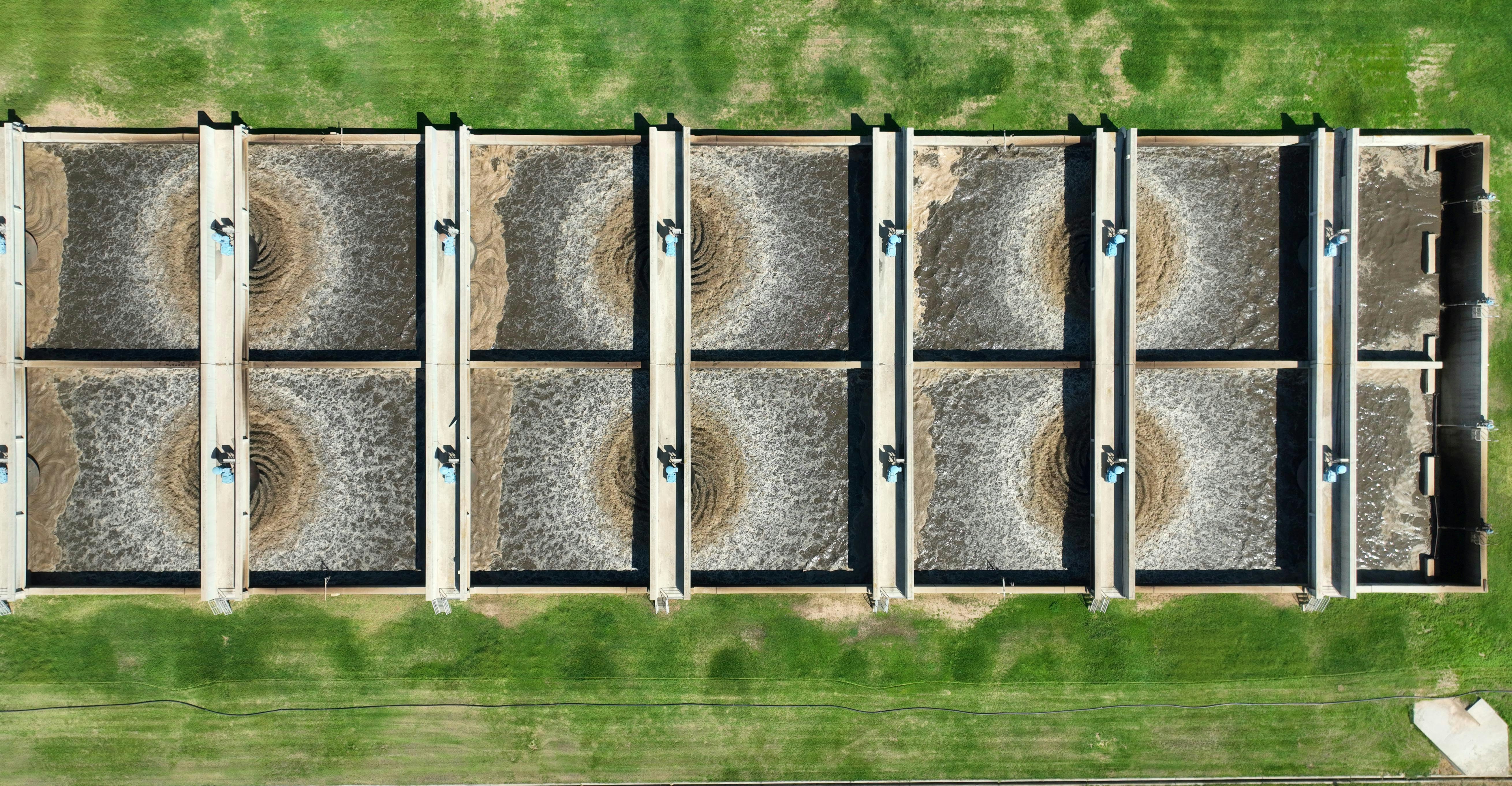
Aeration tanks are integral to the biological treatment of wastewater. They provide an environment for microorganisms to break down organic matter. However, these tanks can accumulate biofilms and particulate matter over time. Therefore, specialized cleaning techniques must be employed to ensure that the aeration process is not hindered, maximizing oxygen transfer rates and overall treatment efficiency.
Clarifiers play a significant role in separating solids from liquids during the treatment process. Accumulation of sludge in clarifiers can lead to reduced efficiency and effectiveness. Implementing regular cleaning protocols in clarifiers safeguards against sediment build-up, thus enhancing the overall treatment process.
Lastly, oil traps are essential for collecting oil and grease from wastewater before it proceeds to treatment. Proper cleaning of these units prevents the escape of these pollutants into the environment. Techniques for cleaning oil traps include the careful removal of accumulated grease and maintenance to enable proper functioning.
Importance of Regular Tank Maintenance
Regular maintenance of treatment facilities such as Sewage Treatment Plants (STPs), Effluent Treatment Plants (ETPs), and septic tanks is essential for effective wastewater management. One of the primary benefits of maintaining these systems is the minimization of downtime. Inconsistent operation due to mechanical failures or system overloads can lead to unacceptable delays in wastewater processing, causing detrimental effects on both operational efficiency and financial costs.
Moreover, the financial implications of neglecting regular maintenance can be significant. For instance, unaddressed issues can escalate into more complex problems that necessitate extensive repairs, which are often costlier than routine maintenance. Cleaning and servicing tanks on a regular schedule ensures that minor issues are resolved before they evolve into major failures, thus safeguarding investments in the wastewater management infrastructure.
In addition to reducing costs, regular tank maintenance contributes to environmental protection. Well-maintained STPs and ETPs function more efficiently, resulting in better treatment of wastewater and reducing the risk of harmful effluents entering local water bodies. This adherence to environmental regulations not only serves the community but also enhances a company’s reputation as a responsible entity, ensuring compliance with industry standards.
Beyond the economic and environmental benefits, regular maintenance also contributes to safety. Systems that are frequently cleaned and repaired operate with reduced risk of malfunctions or hazardous leaks, thereby ensuring the safety of personnel working on or near these facilities. Therefore, investing in tank cleaning services is not just about maintaining equipment; it’s about ensuring operational readiness while supporting sustainable practices.
Technology and Methods Used in Cleaning Services
In the realm of industrial wastewater management, the effectiveness of cleaning services is significantly influenced by the technologies and methods employed. Modern cleaning services, specifically for sewage treatment plants (STPs), effluent treatment plants (ETPs), and septic tanks, utilize a range of advanced technologies to enhance the efficiency and thoroughness of cleaning processes. These innovations not only ensure compliance with environmental regulations but also promote sustainability.
One key technology used in these cleaning services is the application of automated and semi-automated systems. These systems include advanced pumps, high-pressure water jets, and robotic cleaners that can navigate challenging environments to perform deep cleanings of tanks and treatment facilities. By utilizing such technologically advanced equipment, cleaning teams can achieve a higher degree of thoroughness, ensuring that all corners and hard-to-reach areas are adequately cleaned to prevent any buildup of sludge or contaminants.
Moreover, the integration of chemical treatments further complements physical cleaning techniques. Biodegradable and eco-friendly chemicals are employed to break down organic waste and enhance the effectiveness of the washing process. This dual approach not only maximizes the cleaning efficiency but also minimizes environmental impact, promoting a cleaner earth.
In addition to these methods, consistent monitoring systems are crucial. These systems utilize sensors and data analytics to continuously assess the cleanliness of the water treatment facilities, allowing for timely interventions before a larger issue develops. Overall, the combination of innovative technologies and systematic methodologies in cleaning services is vital for ensuring effective wastewater management in Bhiwadi, facilitating the maintenance of a healthy environment.
Environmental Compliance and Regulations
The management of industrial wastewater in Bhiwadi is governed by a series of environmental regulations aimed at ensuring the protection of public health and natural ecosystems. Central to these regulations are the standard operational protocols for Sewage Treatment Plants (STPs), Effluent Treatment Plants (ETPs), and septic systems. Industries are required to adhere to guidelines set forth by local and national environmental authorities, which mandate regular maintenance and effective treatment of wastewater before it is discharged into the environment.
Compliance with these regulations is not merely a legal obligation but is pivotal for sustainable industrial operations. Non-compliance can lead to significant legal repercussions, including fines, sanctions, and increased scrutiny from regulatory bodies. In Bhiwadi, industries must ensure their wastewater treatment processes align with the Pollution Control Board’s standards, which dictate acceptable limits for various contaminants. This ensures that the treated water is safe for discharge and does not negatively affect the surrounding environment.
Service providers specializing in STP, ETP, and septic tank cleaning play a vital role in aiding industries in meeting these compliance requirements. They not only provide essential maintenance and repair services but also offer valuable insights into best practices for wastewater management. This collaboration ensures that industries understand the implications of failing to comply with regulations, which could include legal action and damage to their reputation.
Additionally, service providers often engage in the development of environmentally sound practices that can help industries reduce their overall wastewater footprint. Conducting regular audits and providing documentation for compliance can streamline the reporting process to regulatory authorities. Thus, by leveraging the expertise of service providers, industries in Bhiwadi can effectively navigate the complexities of environmental regulations while ensuring their operations remain responsible and sustainable.
Conclusion and Call to Action
In the realm of industrial wastewater management, the importance of professional cleaning services for Sewage Treatment Plants (STPs), Effluent Treatment Plants (ETPs), and septic tanks cannot be overstated. These systems play a critical role in ensuring that wastewater is treated effectively, thereby preventing contamination of local water bodies and safeguarding public health. Regular maintenance and cleaning of these facilities not only ensure compliance with environmental regulations but also enhance operational efficiency.
Investing in professional cleaning services is essential for businesses in Bhiwadi to uphold sustainability practices and meet industry standards. Facilities such as STPs and ETPs require specialized knowledge and equipment for maintenance, enabling them to function optimally. Regular servicing can help detect issues before they escalate, ensuring continuous performance while minimizing downtime and potential legal repercussions. Moreover, septic tanks also necessitate meticulous attention; neglect can lead to serious environmental hazards and costly repairs.
Businesses are encouraged to prioritize their wastewater management strategies by collaborating with reputable service providers that specialize in STP, ETP, and septic tank cleaning services. By doing so, they not only comply with regulatory requirements but also contribute to the well-being of the community and environment. In light of the growing emphasis on sustainability and responsible waste management, now is the opportune time for industries in Bhiwadi to take proactive steps toward eco-friendly practices.
In conclusion, investing in the professional cleaning of STPs, ETPs, and septic tanks is a critical step for businesses seeking to enhance their operational efficiency and compliance with environmental standards. Take the initiative today and partner with experienced service providers to ensure your industrial wastewater management systems are maintained to the highest standards.