
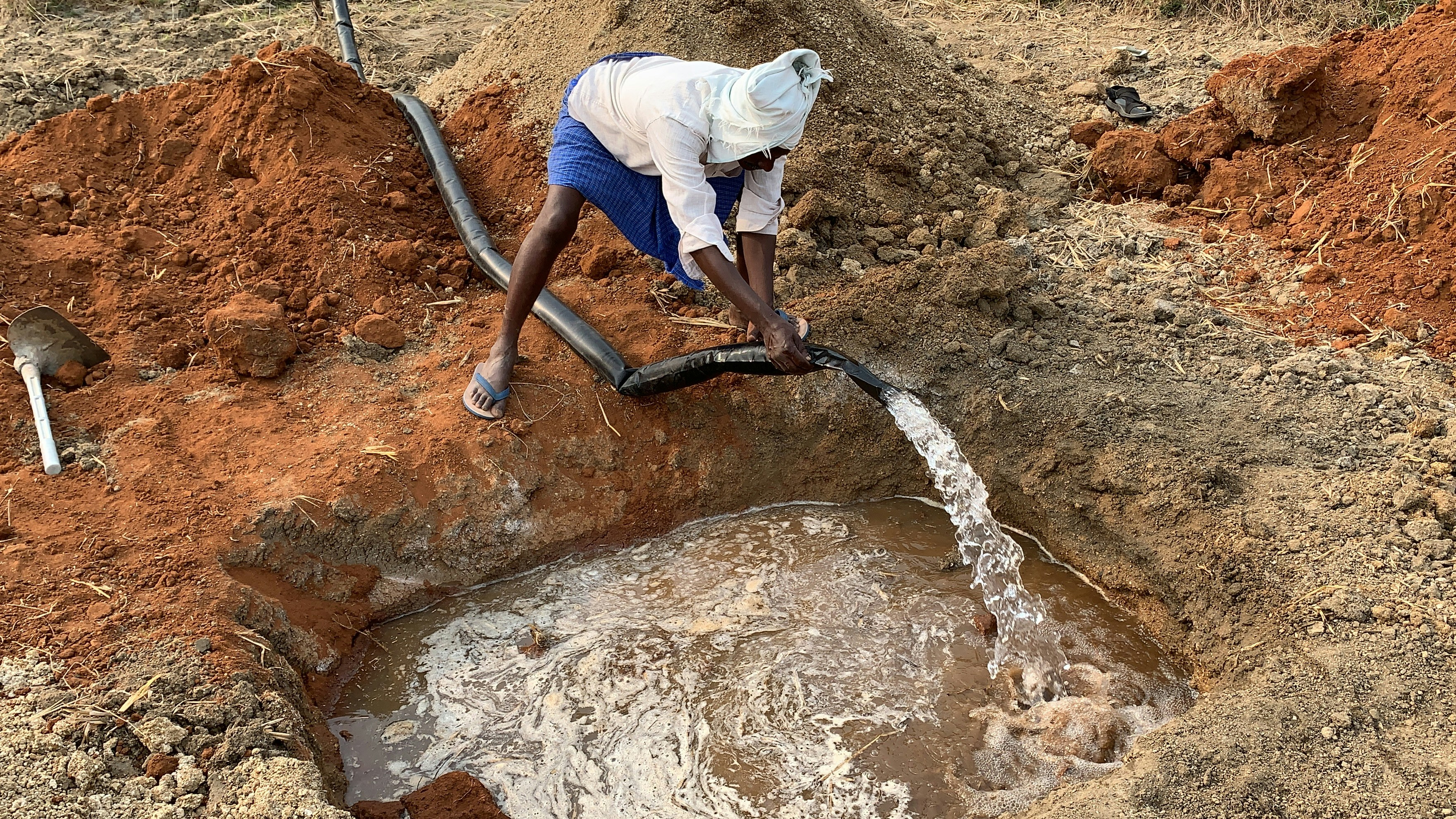
Introduction to RWH Pit Cleaning Services in Gurgaon
Rainwater harvesting (RWH) systems have gained substantial importance in Gurgaon due to the region’s unique climate and rapid urbanization. With increasing demands on water resources, efficient management of these systems is crucial for maintaining sustainable water usage and contributing to groundwater recharge. Regular maintenance, particularly pit cleaning, ensures that these systems function optimally and serve their intended purpose.
Gurgaon’s climate, characterized by a mix of hot summers and a monsoon season from June to September, poses specific challenges to the efficiency of rainwater harvesting systems. During the monsoon, heavy rainfall can lead to the accumulation of debris, sediments, and pollutants within the RWH pits. Consequently, frequent pit cleaning becomes essential to mitigate issues such as clogging, which can reduce water collection efficiency and potentially lead to water contamination. Regular pit cleaning not only preserves the quality of harvested rainwater but also enhances the overall performance of the system.
Moreover, the integration of effective pit cleaning services in Gurgaon is essential for meeting local environmental regulations and promoting community awareness about the importance of sustainable water management practices. As urban development continues to place pressures on groundwater levels, the role of RWH systems becomes increasingly relevant. Maintenance strategies, including systematic cleaning of the RWH pits, are vital for ensuring that these systems contribute effectively to rainwater harvesting, helping in recharging aquifers and providing a valuable resource for the community.
RWH Pit Cleaning in Gurgaon: Importance and Process
Rainwater harvesting (RWH) pits play a critical role in managing water resources, particularly in urban areas like Gurgaon, where water scarcity is a pressing issue. The regular cleaning of these pits is essential for several reasons, including enhancing their efficiency in collecting, storing, and ultimately reusing rainwater. Over time, sediment, debris, and other contaminants accumulate in these pits, leading to potential blockages that hinder effective water collection and storage.
Inadequately maintained RWH pits can introduce a slew of problems, not only affecting water quality but also posing health risks to the community. Stagnant water and contaminated storage can become breeding grounds for mosquitoes and other pests, which could lead to the spread of diseases. Hence, it is imperative to conduct periodic cleaning to mitigate these risks and ensure a safe, sustainable water supply for households and businesses.
The cleaning process of rainwater harvesting pits in Gurgaon typically involves several stages. Initially, the assessment of the pit’s condition is carried out to understand the extent of sediment buildup and other contaminants. Following this, professionals use specialized tools to remove any accumulated debris carefully. The removal process often includes the use of vacuum pumps and manual labor, ensuring that all contaminants are thoroughly extracted without damaging the structural integrity of the pit. Additionally, after cleaning, it is advisable to inspect the inlet and outlet pipes for any blockages, ensuring unrestricted flow in the future.
Aside from preventative maintenance, regular cleaning of RWH pits also contributes to environmental conservation by promoting the recharge of groundwater levels. By ensuring that these systems operate efficiently, we can collect rainwater effectively, consequently reducing reliance on municipal water supplies and fostering sustainable urban water management. Ultimately, committing to RWH pit cleaning is a strategic decision for both ecological integrity and public health.
RWH Pit Operations and Maintenance in Gurgaon
Rainwater harvesting (RWH) pits play a crucial role in enhancing water recharge rates, especially in regions like Gurgaon that experience seasonal rainfall. The effectiveness of these systems largely depends on diligent operational and maintenance practices that ensure optimal functioning. Regular maintenance contributes significantly to the longevity and efficiency of RWH pits.
The first critical aspect of RWH pit maintenance is regular inspection, which involves checking for physical obstructions and ensuring that the filter media remains permeable. Silt accumulation is common in these systems, which can impede water flow and reduce recharge rates. Thus, periodic cleaning is essential to remove any debris or sediments that have settled within the pit. This task is typically performed at least twice a year, or more frequently if the area is prone to heavy rainfall or if there are surrounding vegetation influences.
Additionally, the upkeep of surrounding drainage systems is vital. Any blockage in the pipelines or channels leading to the RWH pit can cause water to overflow or stagnate, defeating the purpose of the setup. Therefore, routine checks should be conducted to ensure that all drainage components are functioning effectively. This not only helps in maximizing rainwater collection but also minimizes the risk of localized flooding during heavy rains.
Another essential practice is the annual inspection of all pipes and connectors associated with the rainwater harvesting system. Leaks or cracks can significantly reduce the system’s efficiency. Addressing minor damages promptly can save substantial costs associated with major repairs in the future. Moreover, maintaining accurate records of maintenance activities aids in identifying trends and planning future servicing.
Implementing these operations and maintenance practices effectively ensures that RWH pits remain functional and efficient, ultimately leading to improved water recharge rates. By investing in proper maintenance, facilities can significantly prolong the life of their rainwater harvesting systems while contributing to sustainable water management practices in Gurgaon.
RWH Pit AMC Service in Gurgaon
Annual Maintenance Contracts (AMC) for Rainwater Harvesting (RWH) systems in Gurgaon offer a structured approach to managing the upkeep and functionality of these eco-friendly installations. These contracts are designed to ensure that RWH systems operate at peak efficiency, preventing potential issues that may arise due to neglect or inadequate maintenance. One significant benefit of engaging in an AMC is the assurance of regular inspections and service schedules, which help in identifying and resolving problems before they escalate into costly repairs.
Typically, an RWH Pit AMC covers a comprehensive range of services including routine cleaning of the rainwater harvesting pit, assessment of the filtration systems, checking for leaks or blockages, and ensuring that the overall infrastructure remains intact and functional. This proactive maintenance helps in preserving the quality of harvested rainwater and ensures compliance with environmental standards set by local authorities. Furthermore, AMCs often provide priority service, meaning that clients receive immediate attention in the event of an emergency repair, reducing downtime and potential loss of water harvesting.
In a city like Gurgaon, where the need for sustainable water management practices is increasingly important, establishing an AMC for RWH systems is not just practical but essential. These contracts not only bolster the longevity and effectiveness of the systems but also facilitate effective water conservation and management strategies. By prioritizing maintenance, property owners can enjoy reliable RWH services that contribute to their sustainability goals while also adhering to the regulatory frameworks in place.
The Importance of RWH System Cleaning
Rainwater harvesting (RWH) systems play a crucial role in urban areas, particularly in regions like Gurgaon, where the rapid rate of urbanization puts significant stress on existing water resources. The cleaning of these systems is essential, not only for maintaining their efficiency but also for maximizing the environmental benefits they offer. Clean RWH systems facilitate better water conservation through effective collection and management. By removing debris, sediments, and contaminants, these systems can function properly, ensuring that rainwater is captured effectively and used for various applications such as irrigation, flushing toilets, and even potable uses with proper treatment.
Moreover, regular maintenance and cleaning of RWH systems enhance groundwater recharge. By ensuring that collected rainwater is free of pollutants, this water can percolate through the ground and replenish aquifers naturally. This process is vital in urban environments, where the depletion of groundwater resources is a growing concern. An efficient RWH system not only captures rain but allows it to be absorbed into the soil, thus supporting the local hydrology and mitigating the impacts of urban runoff.
Additionally, cleaning RWH systems contributes positively to the overall urban ecosystem. Polluted rainwater can lead to adverse effects on flora and fauna when it enters local waterways without proper treatment. By maintaining these systems and ensuring they operate optimally, urban areas can promote biodiversity and improve the quality of life for residents. The presence of healthy ecosystems can assist in controlling urban temperatures, enhancing air quality, and providing recreational spaces for the community.
Our Cleaning Process: Step-by-Step Explanation
Our rainwater harvesting (RWH) pit cleaning services in Gurgaon follow a meticulous and systematic approach to ensure optimal cleanliness and functionality. The cleaning process consists of several well-defined stages, each aimed at promoting the efficiency of the rainwater harvesting system.
The first step involves an initial assessment of the RWH pit. Our team of trained professionals evaluates the overall condition of the pit, identifying any accumulated debris, sediment, or deterioration of structural components. This comprehensive inspection provides valuable insights into the necessary cleaning methods and equipment required for the task.
Once the assessment is complete, we proceed to the removal of all accumulated waste from the pit. This stage involves the use of specialized tools and techniques to facilitate the safe extraction of sludge, leaves, and other debris. Care is taken to minimize disturbance to the surrounding environment, ensuring that no additional contamination occurs during this phase.
Following debris removal, a thorough cleaning and sanitization process is conducted. This involves applying eco-friendly cleaning agents and high-pressure water jets to eliminate any remaining pollutants and contaminants from the surfaces of the pit. The use of environmentally safe products is essential in maintaining the integrity of the rainwater system while ensuring that collected rainwater remains pure.
After cleaning, we conduct a detailed inspection to assess the effectiveness of the cleaning process. This stage is crucial as it allows us to ensure that all debris has been effectively removed and that no structural issues have been overlooked. Any identified issues are documented and communicated to the customer for transparency.
Finally, we perform a series of quality checks before handing over the cleaned RWH pit to the customer. This includes verifying the cleanliness, operational functionality, and structural integrity of the pit. Our goal is to provide a reliable cleaning service that enhances the performance of the rainwater harvesting system, ultimately contributing to water conservation efforts.
Areas We Serve in Gurgaon
Our Rainwater Harvesting (RWH) pit cleaning services are designed to cater to a diverse range of neighborhoods and areas within Gurgaon. Recognizing the significance of effective rainwater management, we strive to provide our expert services in the following key regions:
1. DLF City: This area, known for its upscale residential complexes, benefits greatly from our specialized cleaning services, ensuring that all RWH systems operate efficiently to conserve water.
2. Sector 14: A bustling commercial and residential hub, our services are essential in maintaining the functionality of rainwater harvesting pits in both homes and businesses here.
3. Sector 21: Home to numerous apartments and local shops, effective maintenance of RWH systems in Sector 21 has a crucial impact on local water conservation efforts.
4. Golf Course Road: Known for its luxurious villas and high-rise apartments, our cleaning services ensure optimal performance of RWH systems in this prestigious area.
5. Sohna Road: This expanding area has seen an increase in residential developments and, with our RWH cleaning services, we help support sustainable living practices.
In addition to these neighborhoods, we are committed to promoting community initiatives that enhance service reliability. We have established partnerships with local environmental groups, which not only help raise awareness about the importance of rainwater harvesting but also provide our clients with added value through workshops and educational programs. Such collaborations reinforce our dedication to responsible water management across the region.
Whether you are a resident or a business owner, our RWH pit cleaning services are available throughout Gurgaon, with tailored solutions to meet your specific needs.
FAQs about RWH Pit Cleaning Services
Rainwater harvesting (RWH) systems are an effective way to conserve water, but like any other system, they require regular maintenance and cleaning. Below, we delve into some frequently asked questions regarding RWH pit cleaning services to address common concerns and misconceptions.
1. How often should RWH pits be cleaned?
It is recommended to clean RWH pits at least once a year, although the frequency may vary based on factors such as local environmental conditions, the amount of rainfall, and the system’s design. Areas with heavy leaf litter or dust may require more frequent cleaning to maintain optimal water quality.
2. What is the process involved in RWH pit cleaning?
The RWH pit cleaning process typically includes draining any standing water, removing sediment and debris, sanitizing the interior, and inspecting the system for damages. Professional cleaning services utilize specialized equipment and techniques to ensure thorough cleaning without damaging the pit structure.
3. Are RWH pit cleaning services expensive?
The cost of RWH pit cleaning services can vary based on the size of the pit, the level of contamination, access to the location, and the service provider’s pricing model. However, regular maintenance is a necessary investment to ensure the efficiency and longevity of your rainwater harvesting system.
4. Will cleaning the pit disrupt my rainwater harvesting process?
Cleaning the RWH pit is designed to be non-disruptive. Service providers plan cleaning operations during low rain periods, ensuring that your rainwater collection is not impacted during peak usage times. Moreover, proper scheduling minimizes any inconvenience.
5. What should I do after the RWH pit is cleaned?
After cleaning, it is essential to monitor the water quality and flow rates to ensure the system is functioning effectively. Consider scheduling regular maintenance checks to establish a proactive approach, further extending the life of your RWH system.
Conclusion and Call to Action
Regular maintenance and cleaning of Rainwater Harvesting (RWH) pits are crucial for ensuring the effectiveness and longevity of the system. The key points discussed throughout this article highlight the multiple benefits of professional RWH pit cleaning services in Gurgaon. It is essential to maintain these systems not only to enhance water quality but also to prevent structural issues that may arise due to accumulated sediments and contaminants. Neglecting the upkeep of RWH pits can lead to a decline in the system’s efficiency, posing risks to both the environment and public health.
Investing in specialized cleaning services will ensure that RWH systems operate at their fullest potential while adhering to environmental regulations. Professionals in the field possess the necessary equipment and expertise to thoroughly clean and maintain these systems, allowing for the optimal collection and filtration of rainwater. Furthermore, regular inspections by qualified personnel can preempt the need for extensive future repairs by identifying potential problems before they become significant issues.
For those seeking reliable and comprehensive RWH pit cleaning services in Gurgaon, we encourage you to take the first step towards improving your system’s functionality. Contact us today for a consultation or to schedule a service. Our dedicated team is ready to assist you in maintaining your rainwater harvesting system, ensuring it contributes significantly to your water conservation efforts and overall sustainability goals. Please visit our website or reach out via phone for immediate inquiries. Together, we can promote efficient water management practices within our community.